Services

Develop automation concepts. Draw up requirements specifications. Guide projects.

Three areas. Two routes. One line of responsibility. We guide you from the first idea to an order-ready quotation — and, if you wish, through delivery as well.

TNIA develops automation concepts and requirements specifications on an hourly or daily basis — independent of suppliers and system vendors.

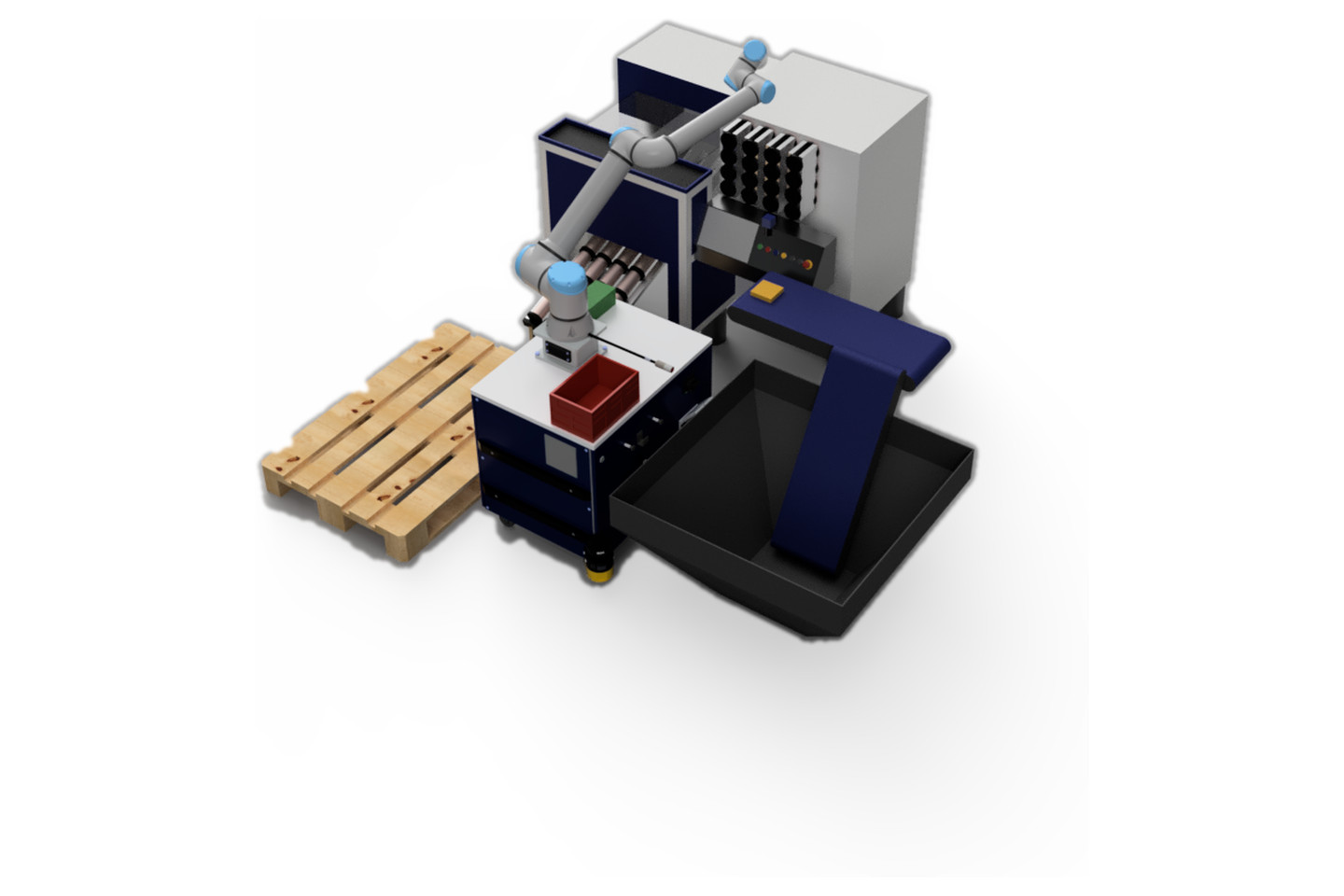
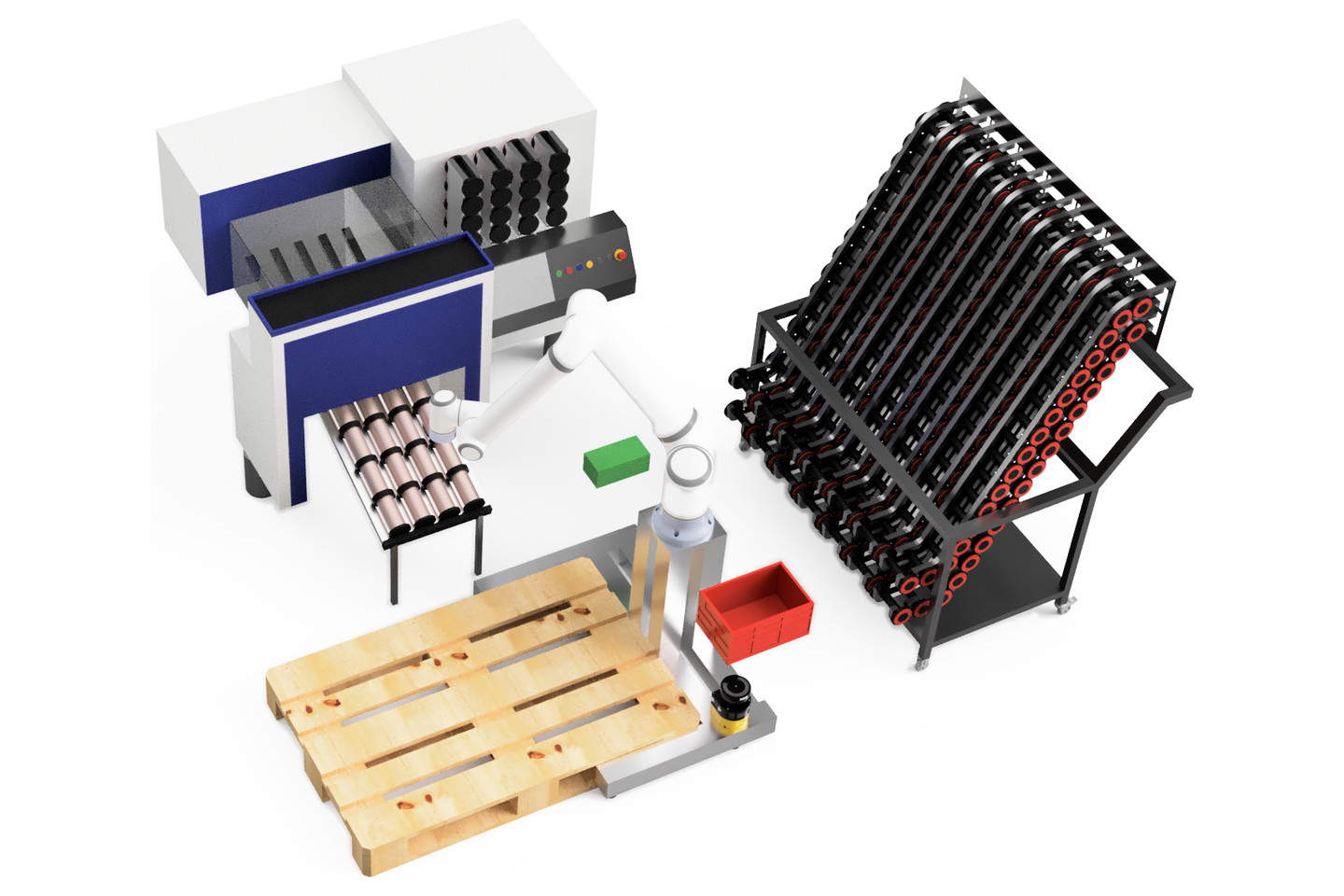
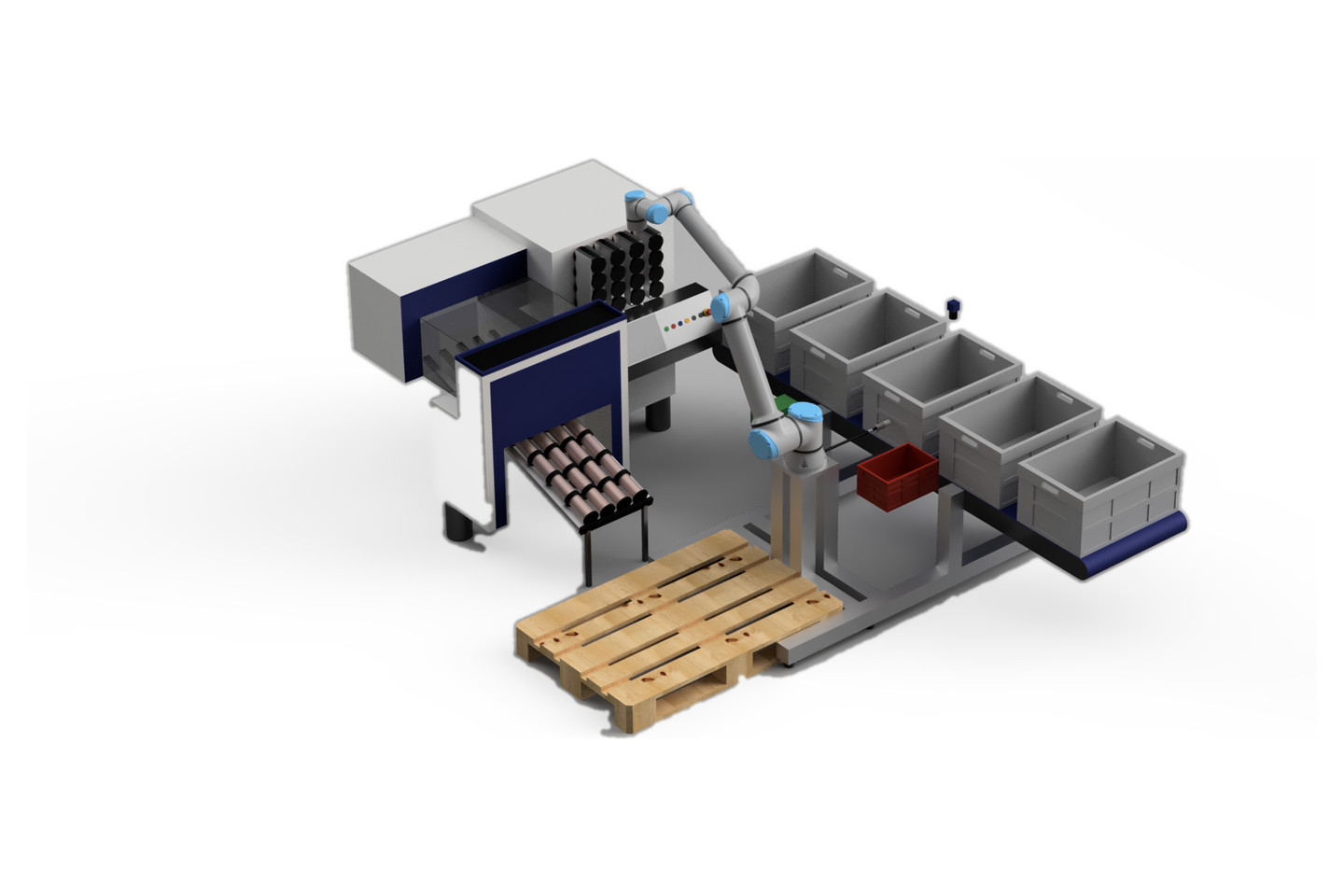
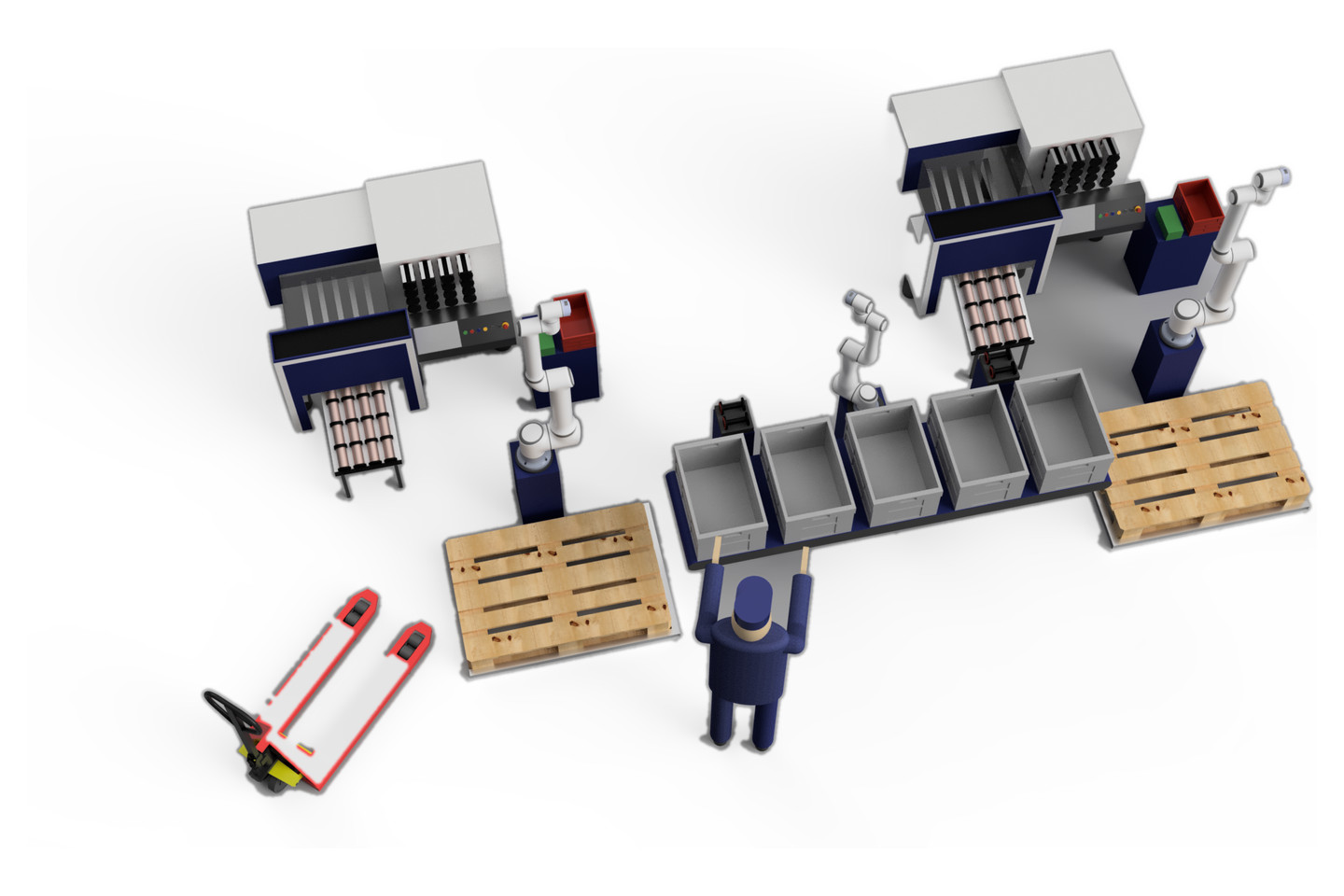
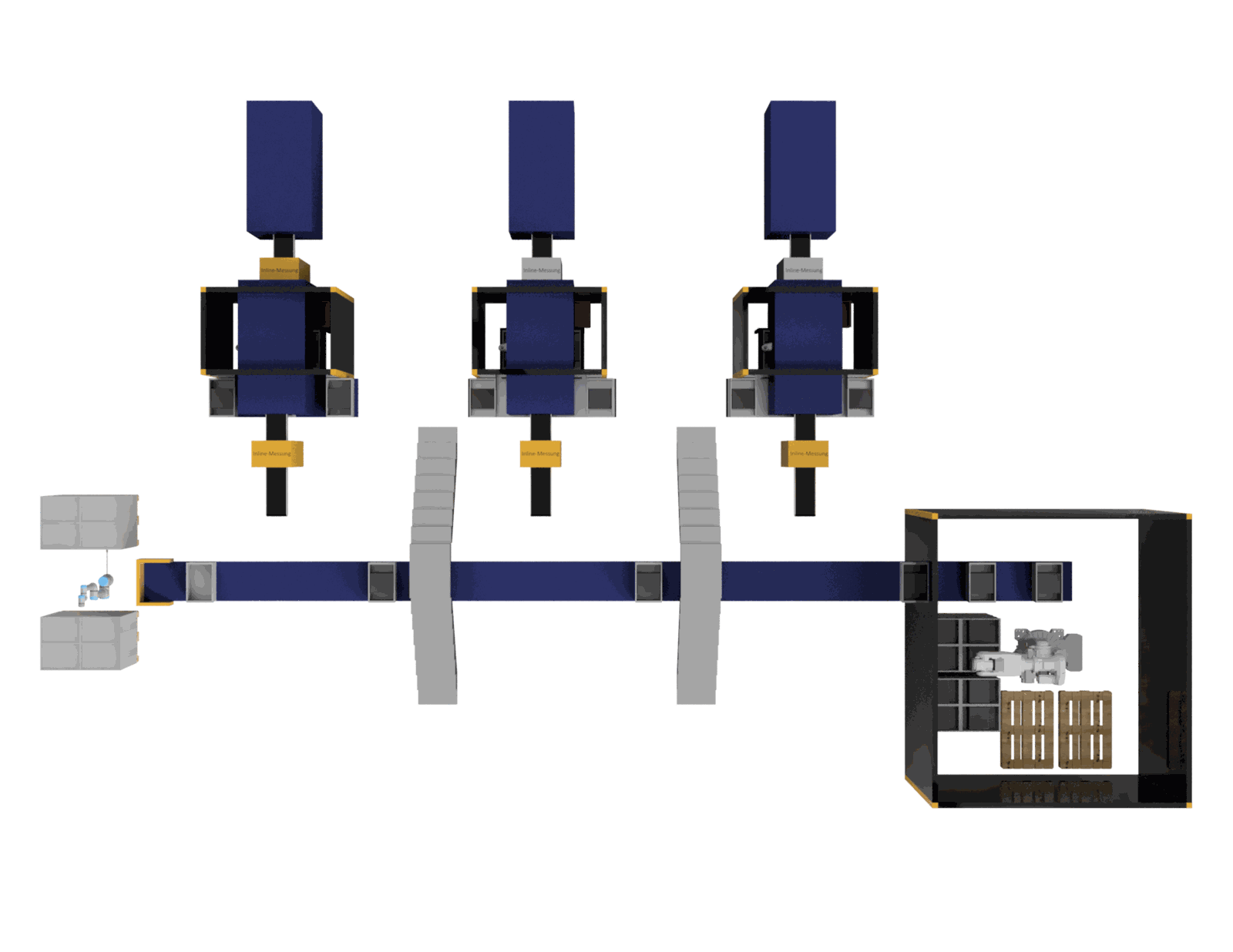
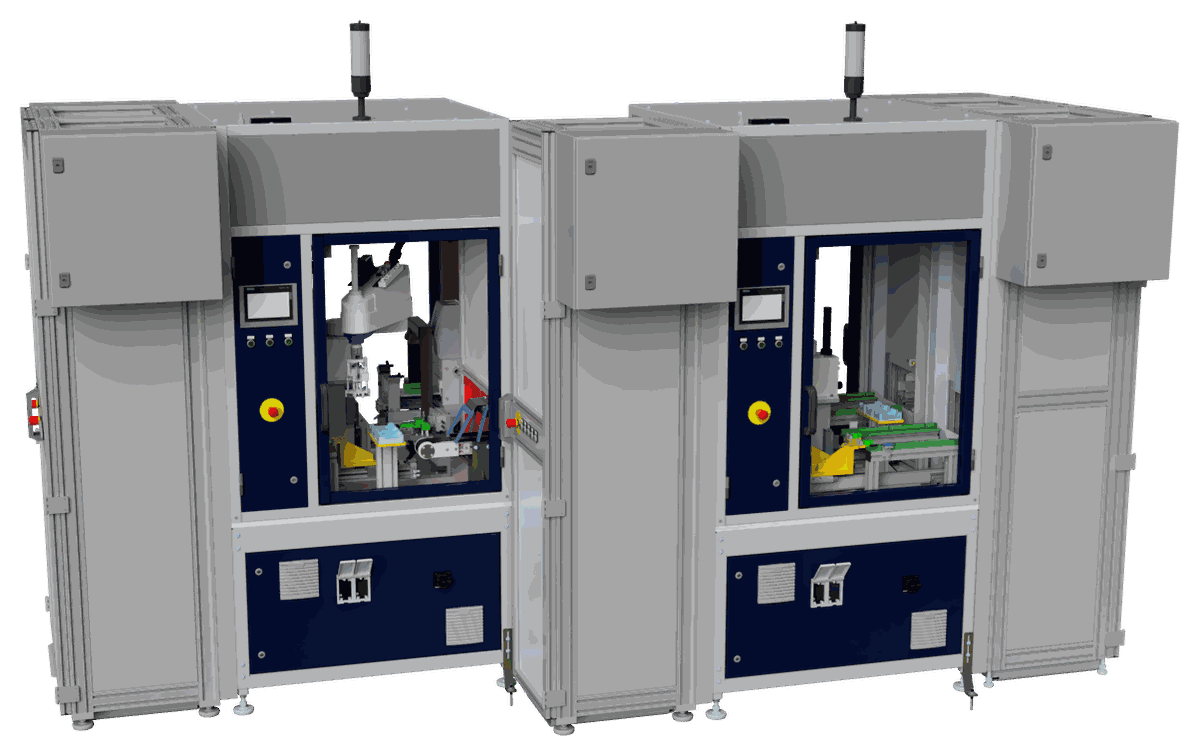
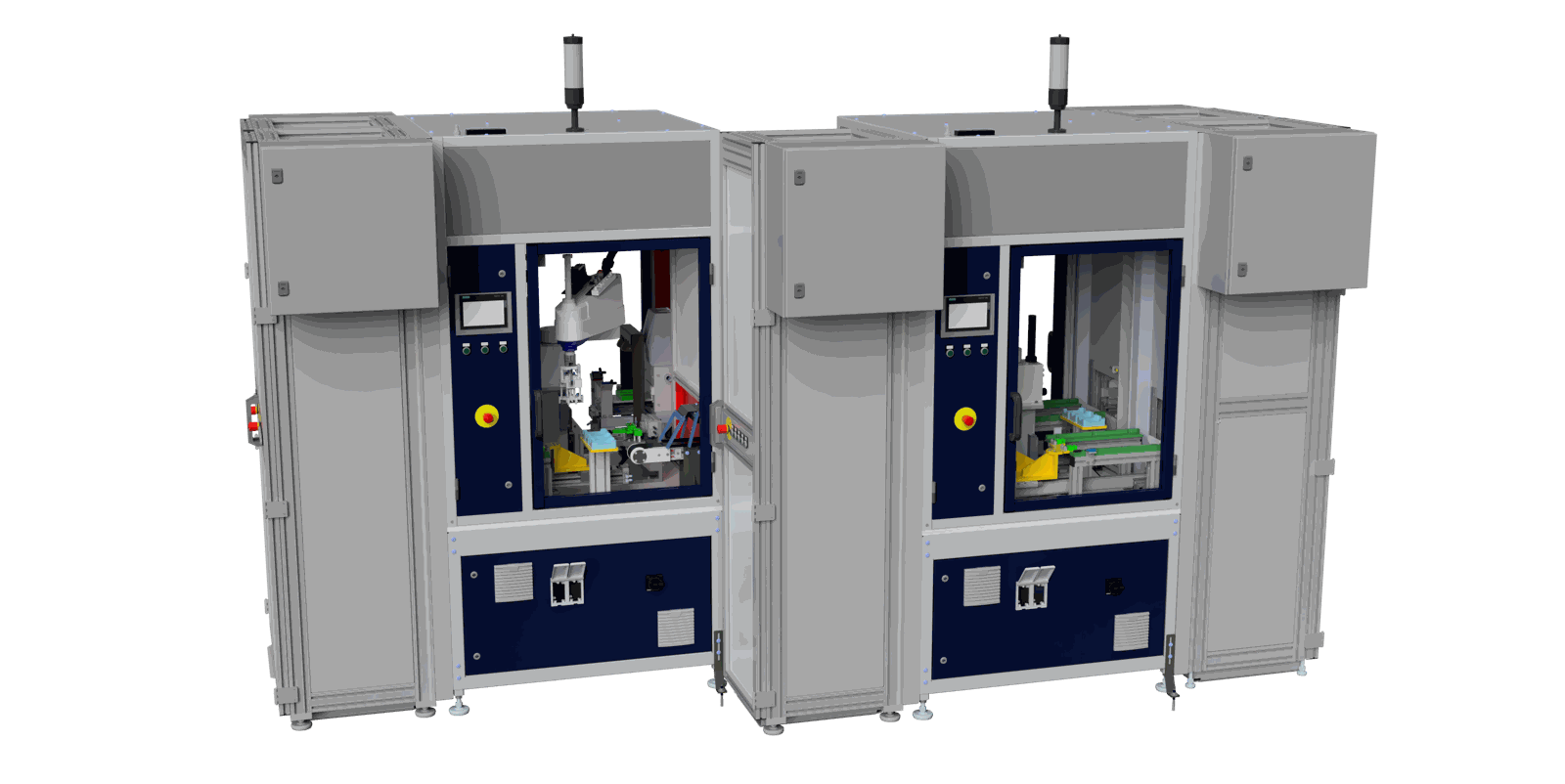
Two linked special-purpose machine cells with robots for weighing and laser marking, shown as a 3D concept
Built from a concept: linked weighing and laser-marking cells.
11 Partners in the network
2 Components we represent
1 Point of contact for you

Two routes to the goal

Which route fits your project?

Both routes run through the same four stages. Where you join depends on how far along you already are.

Route A · Concept development

  • Analysis: 01
  • Concept: 02
  • Quotation: 03
  • Delivery: 04

You know something needs to happen — but you need clarity on what and how.

Analysis, concept, optional requirements specification and project support. Billed on an hourly or daily basis. This is our core competence.
Route B · Sourcing a quotation

  • Analysis — already done: 01
  • Concept — already done: 02
  • Quotation: 03
  • Delivery: 04

You have the requirements specification — and you want the right quotation for it.

We make a referral from our Trusted Network and make sure you receive a qualified quotation. No TNIA fee for you.

01

Analysis and strategy

Automation potential

Analysis of production processes and identification of automation opportunities — on site, in conversation with your team, prioritised by cost-effectiveness.

Technology consulting

Assessment of suitable automation technologies for your specific task. Robots, pneumatics, feeding systems, sensors — what fits which application.

Workshops

Joint analysis and development of automation strategies — facilitated, structured, with your production and engineering team.

Production optimisation

Assessment of existing processes and identification of improvements — including where you may have become blind to your own routine.

Two linked robot cells for weighing, lasering and packaging

Example · Precious metal industry

Weighing, lasering and secure packaging across two cells

Cell 1 handles weighing and lasering, cell 2 the secure overpacking — connected by a conveyor. A palletiser and depalletiser keep the precious metal products stored safely.

Explore projects →

02

Concept development

Requirements specification

Definition of technical requirements for automation solutions — together with you on request, or independently. Precise enough that machine builders can submit comparable quotations.

Feasibility studies

Technical and commercial assessment of possible solutions — before money goes into a system that later turns out to be the wrong call.

Automation concepts

Development of concrete system and automation concepts — covering every relevant trade: conveyor technology, robotics, feeding, controls, switchgear.

Layout development

Creation of system layouts and material flow concepts — how the system fits physically into your hall, how material and operators move.

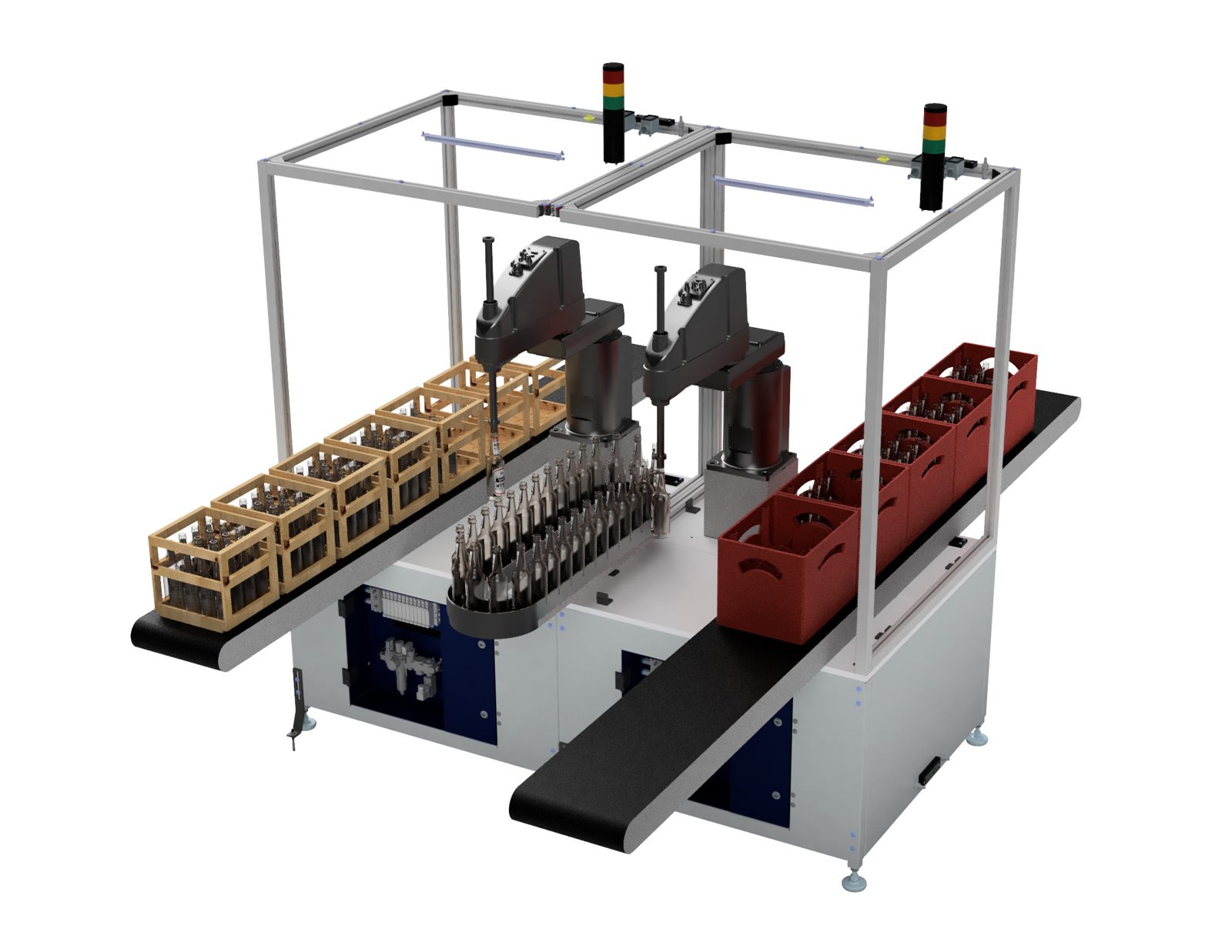
Two SCARA robots with camera inspection for bottle handling

Example · Consumer goods / beverages

Two SCARA robots, one camera inspection

The first SCARA removes bottles from standard crates, a circulating conveyor guides them past a camera inspection, the second SCARA transfers them into special crates. Delivered with RoBotos Engineering.

Explore projects →

From practice

One concept, four expansion stages.

The same task, four ways to get there. Each stage costs more and can do more — which one is right depends on volumes, variants and the money that actually pays off. That is exactly what we work out together, before anyone writes a quotation.

  1. Expansion stage 1: cobot on a wheeled frame, fed by a step-lift conveyor and belt system
    Stage 1

    The mobile cobot

    The cobot sits on a wheeled frame and can be moved to wherever it is needed. Workpieces arrive via a step-lift conveyor and a belt system.

  2. Expansion stage 2: cobot on a fixed base frame with pallet station and a manually loaded material buffer
    Stage 2

    The stationary cell

    The cobot is mounted on a fixed base frame, with a pallet station alongside. The material buffer is loaded by hand — after that the cell runs on its own for a good while.

  3. Expansion stage 3: bin picking — workpieces lie loose in bins, camera recognition, finished parts placed on a pallet
    Stage 3

    Bin picking

    The workpieces lie loose in bins, in no particular order. A camera identifies them and the cobot picks them out one by one. That removes the entire pre-sorting step — finished parts go onto the pallet.

  4. Expansion stage 4: two linked machines, conveyor with loose-fill bins, three cobots and pallet placement
    Stage 4

    Two machines linked

    The buffer now runs on a conveyor carrying bins of loose parts, again identified by camera. Cobot 1 distributes the workpieces to trays on the left and right; cobots 2 and 3 take them from there and load their machine. Finished parts go onto the pallet.

Which stage gets built in the end is not decided by preference but by a weighted assessment — cost-effectiveness, cycle time, changeover effort, expandability.

03

Project support and delivery

Quotation coordination

Coordination of quotations from different providers — made comparable, gaps identified, risks assessed. You get a solid basis for your decision.

Supplier selection

Selection of suitable automation partners from the TNIA Trusted Network. Only partners we have already delivered projects with.

Project guidance

Support during planning and delivery — as an independent advisor who meets your supplier as a technical equal.

Retrofit concepts

Modernisation and optimisation of existing systems — controls, mechanics, sensors, safety technology. Assessed technically and commercially: buy new or retrofit?

KLT line with cobot, filling stations and palletising robot

Example · Intralogistics / assembly

One continuous KLT line from several trades

A cobot unfolds KLT bins and places them on the conveyor, three production systems fill them, a palletising robot stacks them on Euro pallets. Conveyor technology by ALTRATEC, orchestrated by TNIA.

Explore projects →

What we work on

Processes we have automated with our partners.

A line rarely consists of a single step. Usually it is several in sequence — and what decides the outcome is which of them pay off, in what order they run and which combination fits together technically.

  • Extraction
  • Filling
  • Loading
  • Marking
  • Brushing
  • Deburring
  • Unloading
  • Labelling
  • Conveying
  • Joining
  • Code reading
  • Measuring
  • Assembly
  • Optimising
  • Palletising
  • Inspection
  • Cleaning
  • Welding
  • Safeguarding
  • Control
  • Testing
  • Linking
  • Packaging
  • Turning

Your process is not listed? That does not mean it cannot be done. Give us a call and we will look at it together.

Who builds it in the end

We don't just know the companies. We know the people.

At the end there is a line in your hall — built by partners from our network. Selected for who fits your task, not for who happens to have capacity. Robotics, conveying, special machine building, machine vision, simulation, safety technology.

Several trades involved?

Then we coordinate. You have one point of contact, even when four companies are building the line — and you don't have to mediate when two of them disagree about an interface.
Only one supplier?

Then we make the introduction — to the right person, not to the switchboard. We know who handles your kind of task at which partner, and how they work.

RoBotos bfa PARO ALTRATEC evopro abag Botfellows fabconcept KTD ProLean CoMo

See all partners → You receive no invoice from us for the referral.

What you end up with

Five outcomes that stay with you.

  1. 01 A clearly described task What is to be automated?
  2. 02 A concept that holds up What could the solution look like?
  3. 03 Comparable variants What speaks for which solution?
  4. 04 A qualified quotation What does implementation actually cost?
  5. 05 One point of contact Who coordinates the trades involved?

Route B · for the advanced case

You have the requirements specification. We get the quotation.

If your requirements specification is already finished, there is no need to buy the concept work from us again. We listen to your requirements, select the right partner from our Trusted Network and make sure a qualified quotation reaches you. This matching service carries no TNIA fee for you — we are remunerated through the partner.

Not sure which service fits you?

We'll work it out together in an initial consultation. 30 minutes, no obligation, honest — even if the conclusion is that we are not the right partner.